“So God created the great creatures of the sea and every living and moving thing with which the water teems according to their kinds.” — Gen 1:21
Images of My Work
-
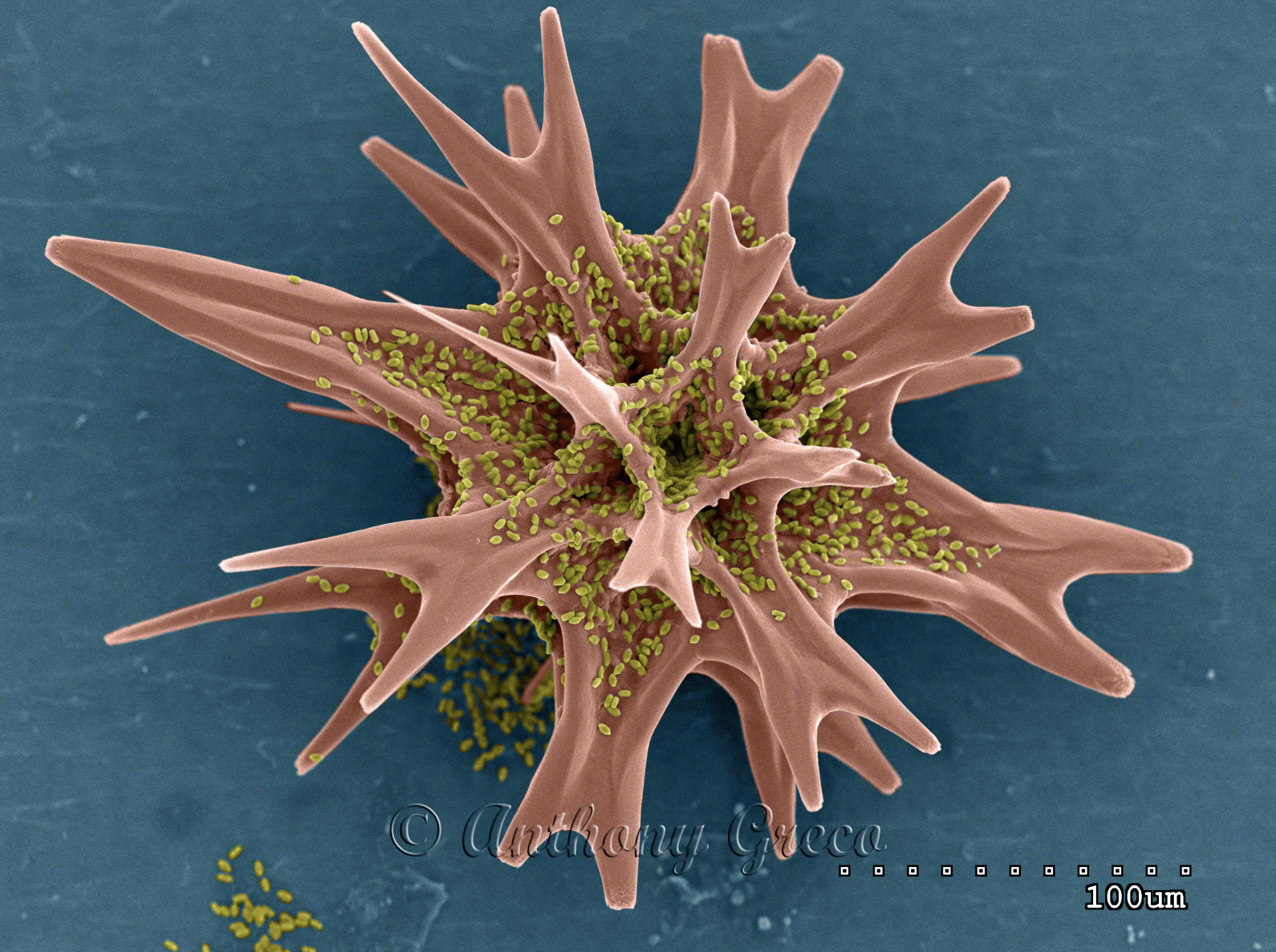
Acantharians
The acantharians are planktonic protozoans that are unique in that their shell is composed of strontium sulphate (celestite). Their morphology consists of 20 spines emanating from a single point inside the shell. These organisms are not found in the fossil record since seawater is undersaturated with respect to strontium. When these organisms die, they quickly dissolve. Short term traps must be used to collect them. They also undergo an encystment stage where the spines are retracted and a cyst is produced made of platelets of strontium sulphate.
-
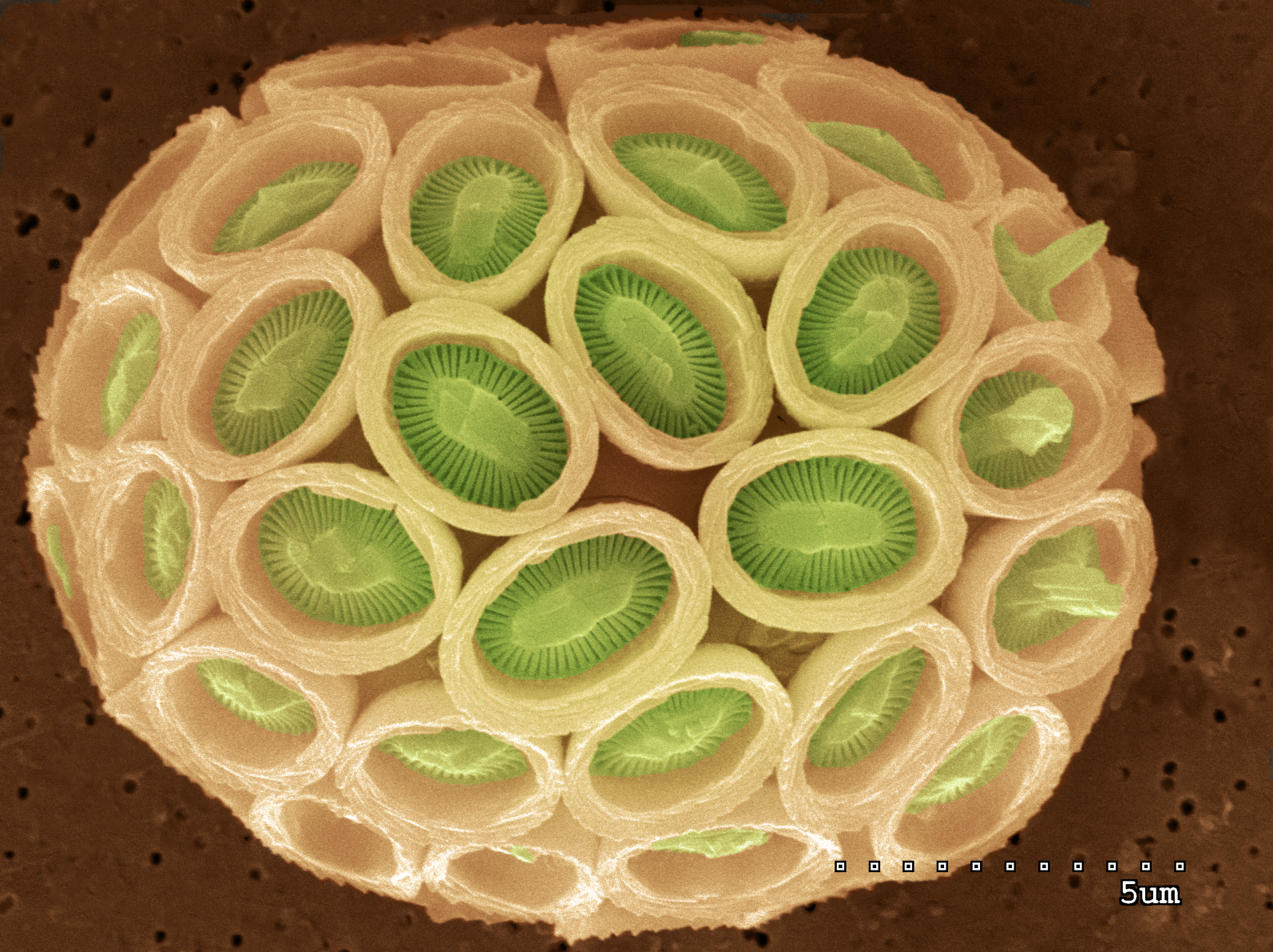
Calcareous Nanoplankton
Tiny minute golden brown algae 15-100 um in diameter make up this group. During one stage they secrete platelets of calcite called coccoliths; these coccoliths interlock to form an external skeleton called the coccosphere which surrounds the living cell. They are extremely abundant in the marine sediments and are routinely used in studies of paleoclimatology ( the study of ancient oceans) and biostratigraphy (the study of the temporal and spatial distribution of fossil organisms in sediments)’ The White Cliffs of Dover and blackboard chalk are composed of coccoliths.
-
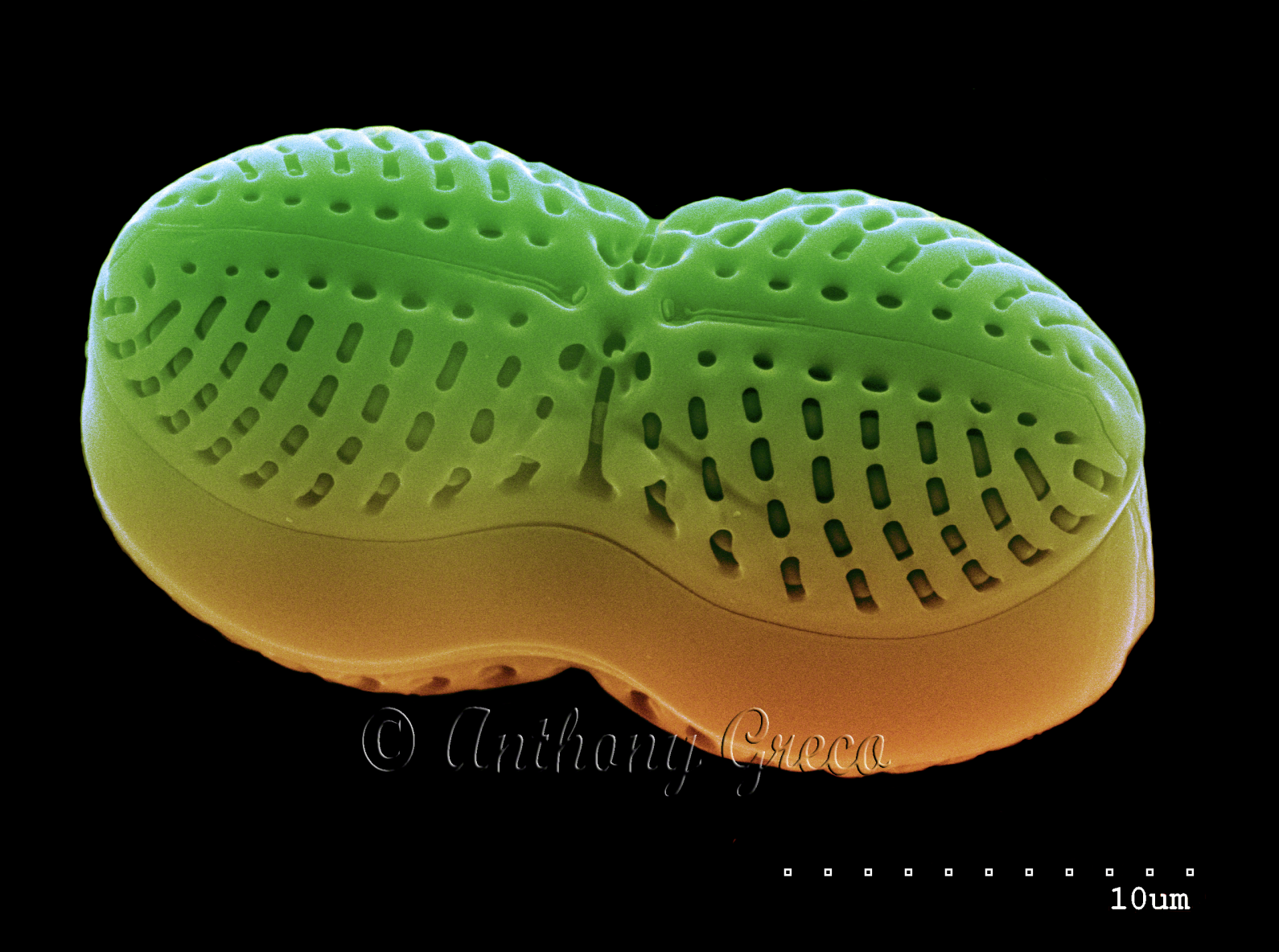
Diatoms
This group is composed of unicellular golden brown algae. They are primary producers in the ocean meaning they undergo photosynthesis using sunlight and carbon dioxide to produce organic matter and oxygen which we breathe. About 70% are marine. They live primarily in the photic zone ( top 100 meters of the ocean). They range in size from 1- 1000um. Each diatom is composed of a 2 part external skeleton of opaline silica
-
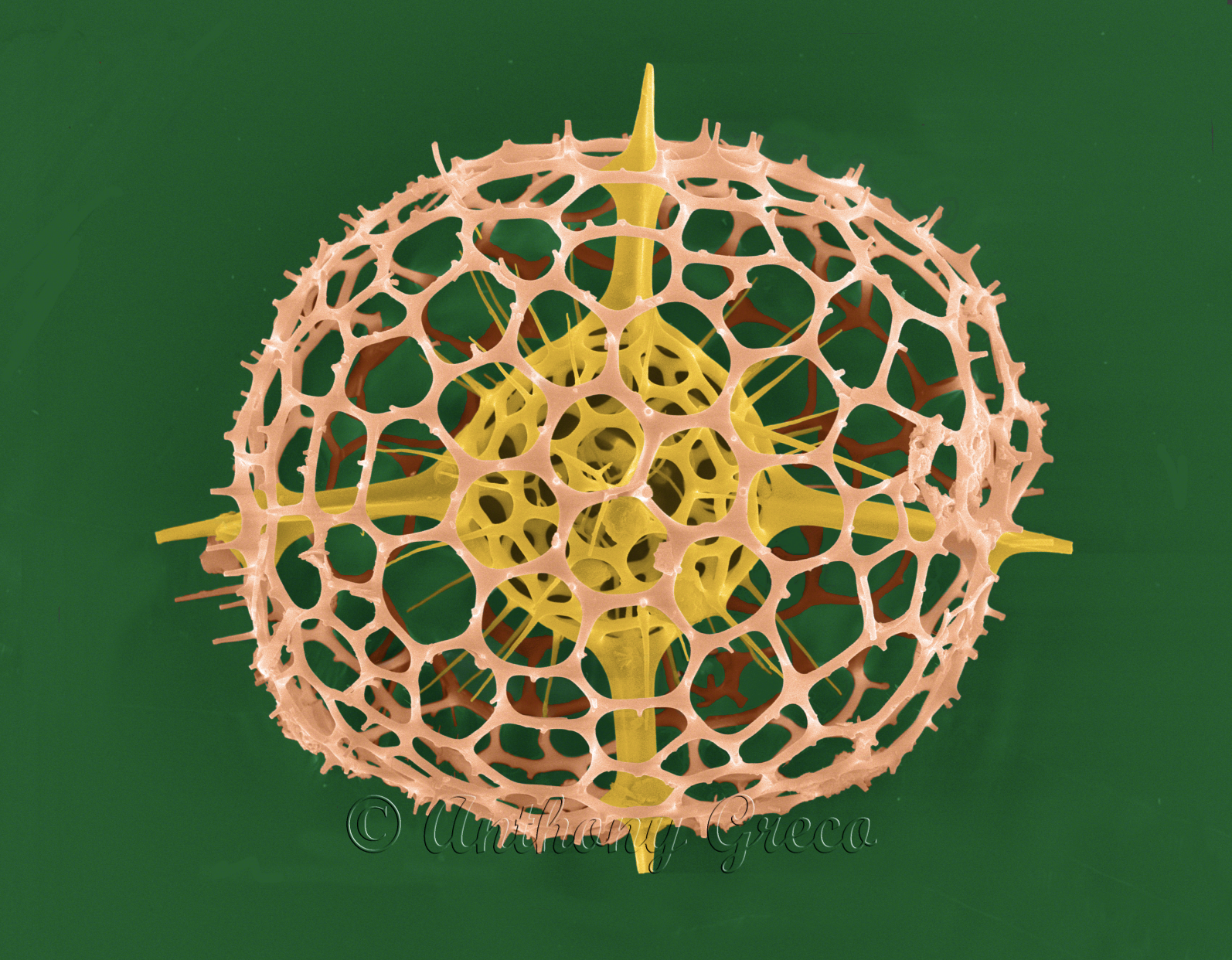
Radiolarians
These are marine protozoans with a silica shell. They range in size from 50-200um. Their skeletal morphology may have a hydrodynamic or feeding function. They are used exclusively in biostratigraphy and paleooceanography
-
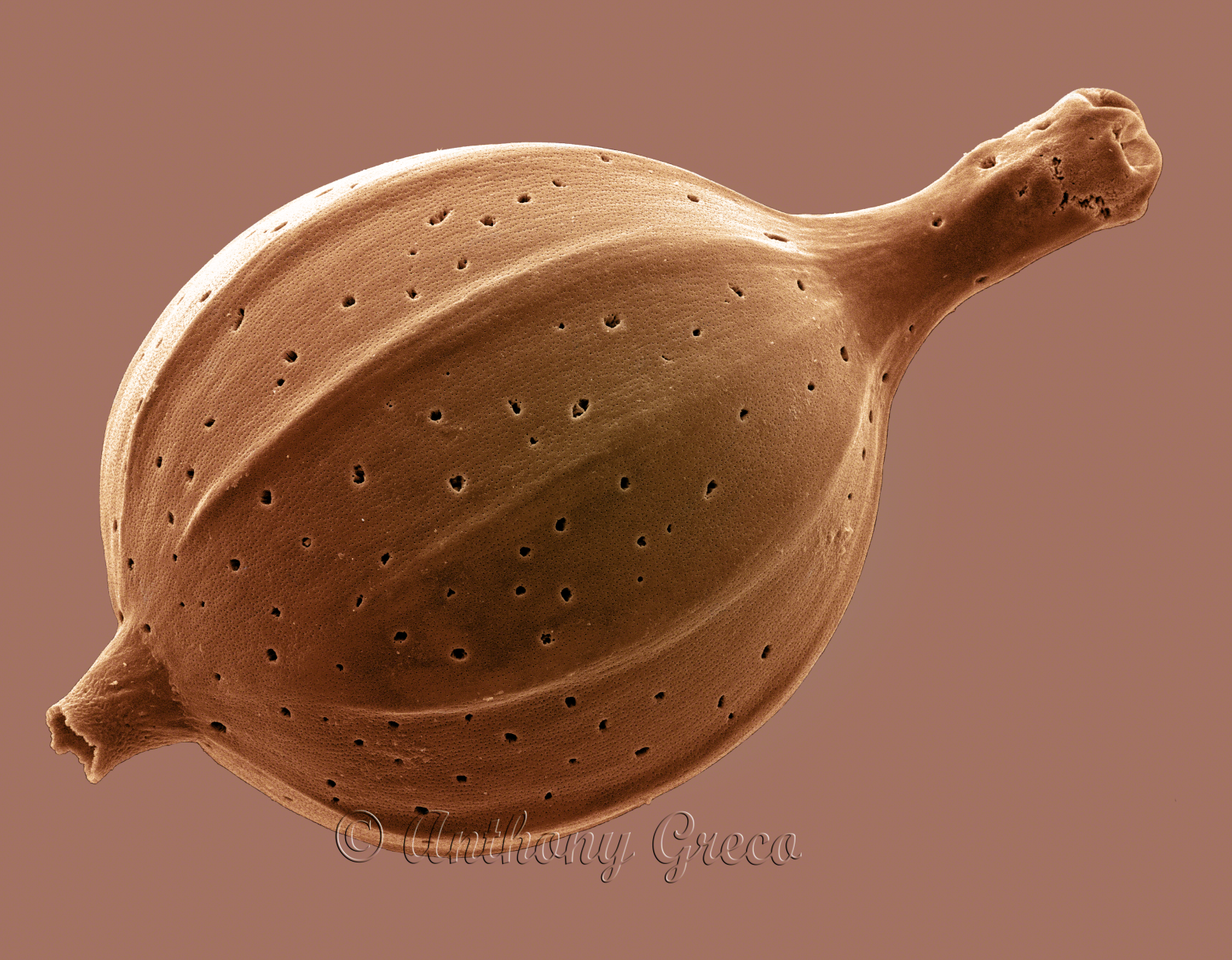
Foraminifera
A type of zooplankton , these are Protozoans that secrete shells (tests) made of calcite (CaCO3). There are two major groups, the planktonic or free floating and the benthic or bottom dwelling which reside on the ocean floor. Their skeletons have chambers separated by a septa (wall). An opening called the foramen connects the chambers with the final opening named the aperture. They are the most important fossil group in both biostratigraphy and paleoenvironmental reconstructions.
-
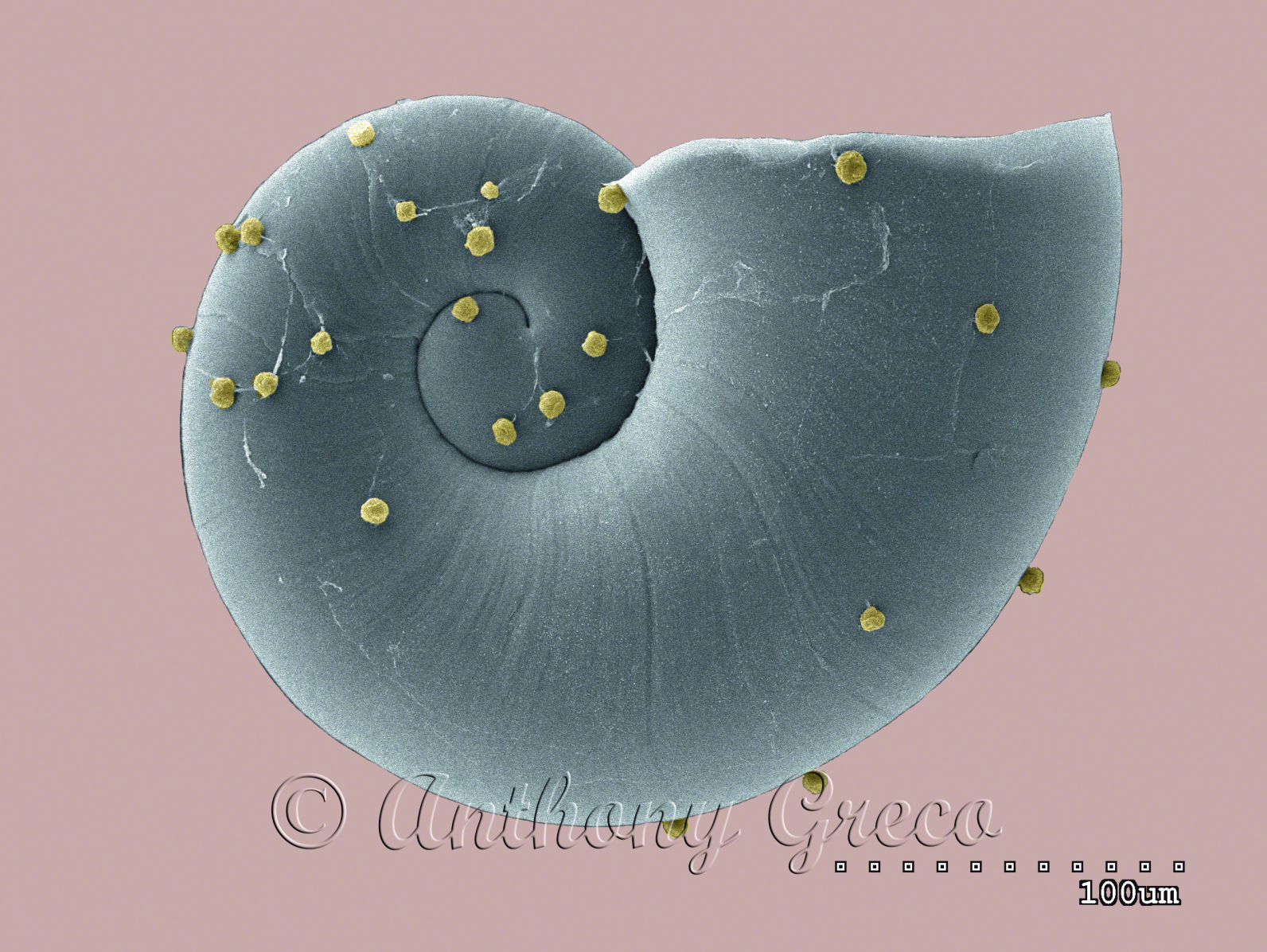
Pteropods
Also part of the zooplankton, the pteropods are marine gastropods that possess shells made of aragonite (CaCO3). Because of this they are more susceptible to dissolution. They are found in the fossil record.
-
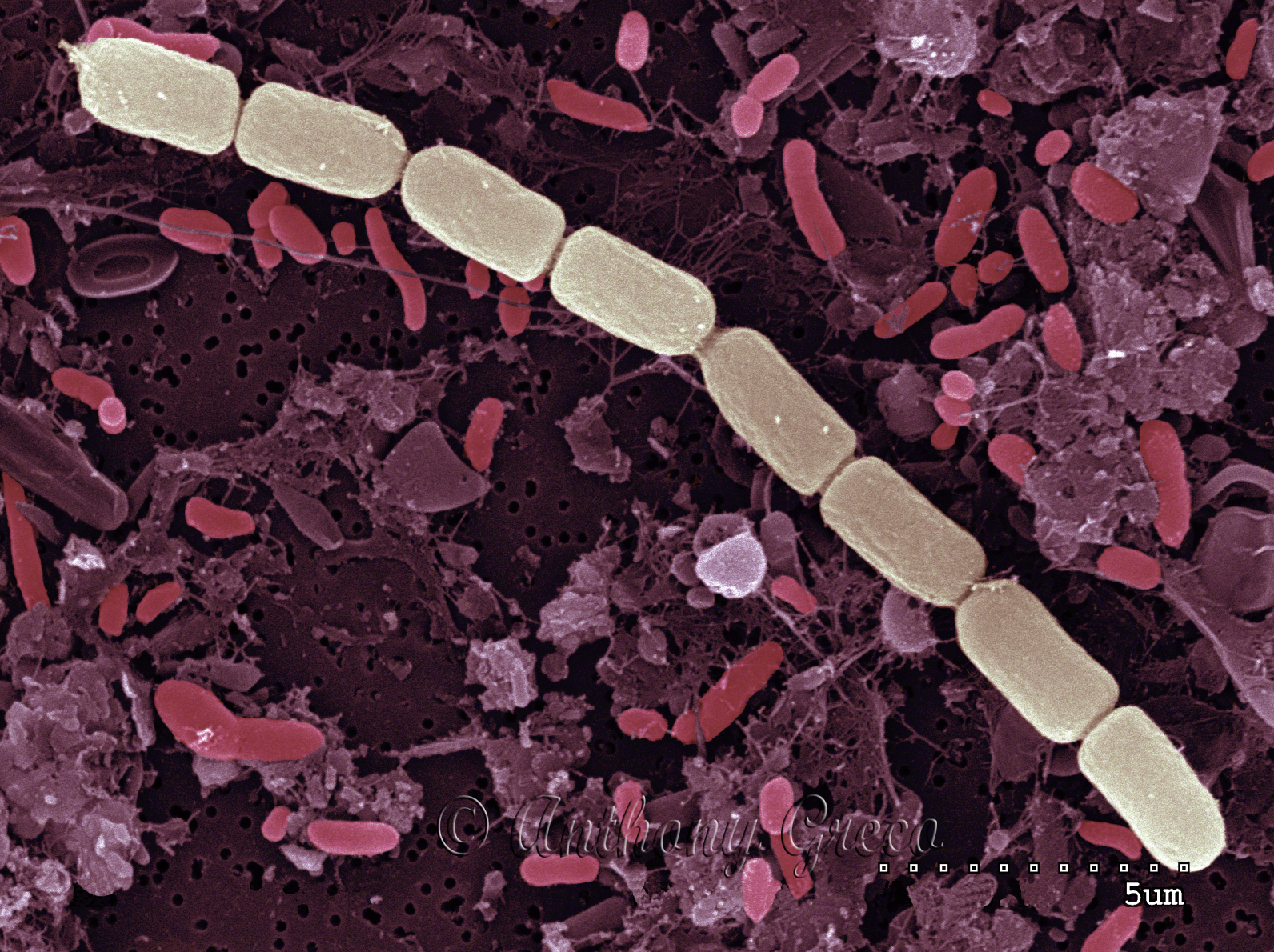
Marine Bacteria
These are single celled microorganisms found throughout the oceans that play a critical role in life on earth. Each drop of seawater contains approximately 50,000? bacteria. Photosynthetic bacteria such as the cyanobacteria undergo photosynthesis producing a major portion of the oxygen we breathe. They are also vital in the ocean nitrogen cycle as well as carbon fixation helping to recycle nutrients in the ocean.Certain marine bacteria can consume spilled oil and even break down heavy metal pollutants. Pathogenic marine bacteria such as Vibrio can sicken humans that ingest contaminated seafood.
-
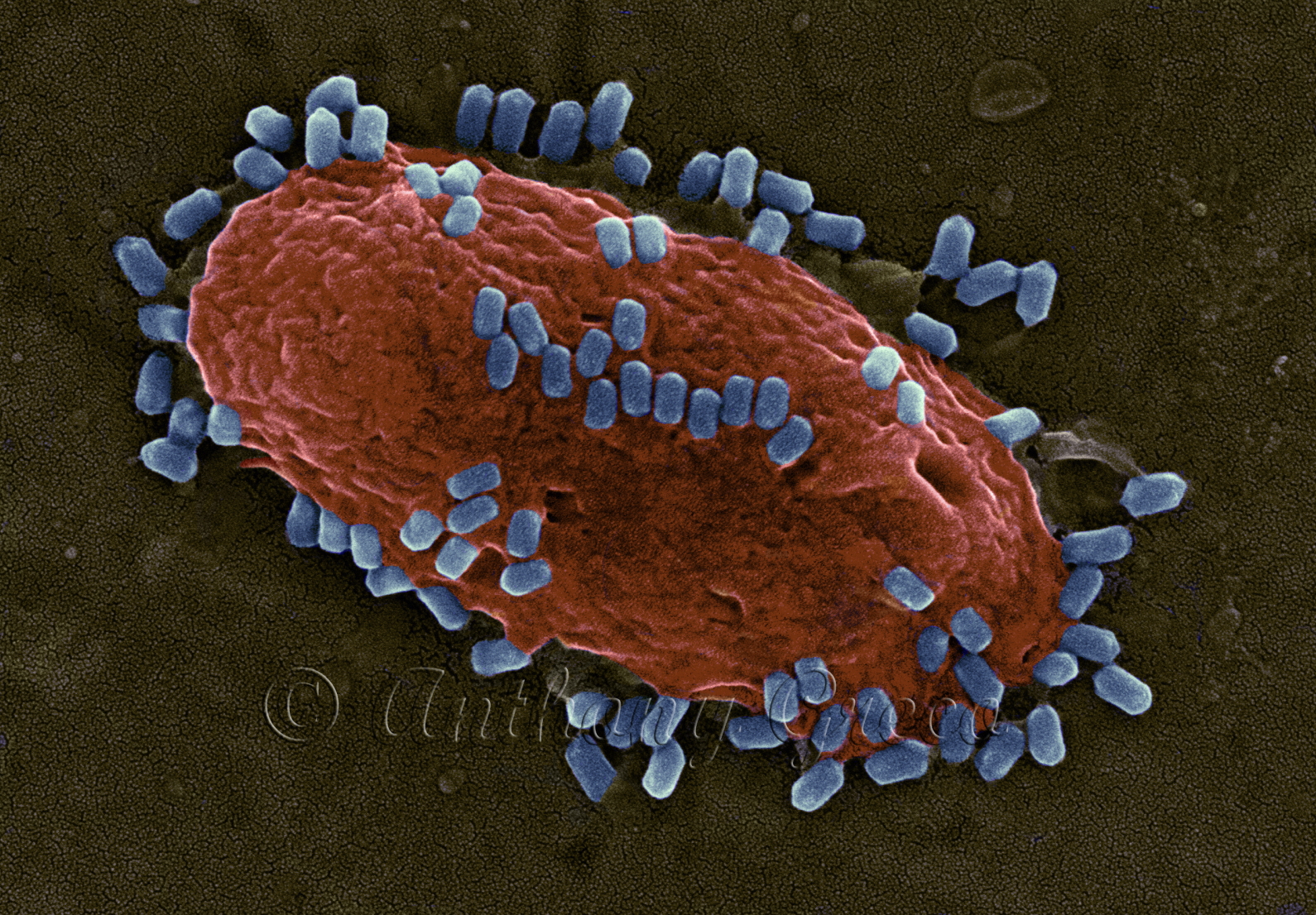
Marine Viruses
Viruses are organisms that consist of a strand of DNA or RNA surrounded by a protein coating. A drop of seawater has approximately 500,000 viruses most of which are not harmful to humans. Viruses that attack bacteria in the ocean are called bacteriophage or phage for short. They attach to the exterior of the bacterial cell and inject phage DNA into the host bacterial cell. The phage DNA can inactivate the bacterial DNA and begin making numerous copies of phage within the bacterial cell. Finally the bacteria cell bursts open releasing these new phage which will infect other bacteria. Another scenario is that during the initial infection, the phage DNA is incorporated into the bacterial DNA so that when the bacteria normally divides, the phage is replicated.
-
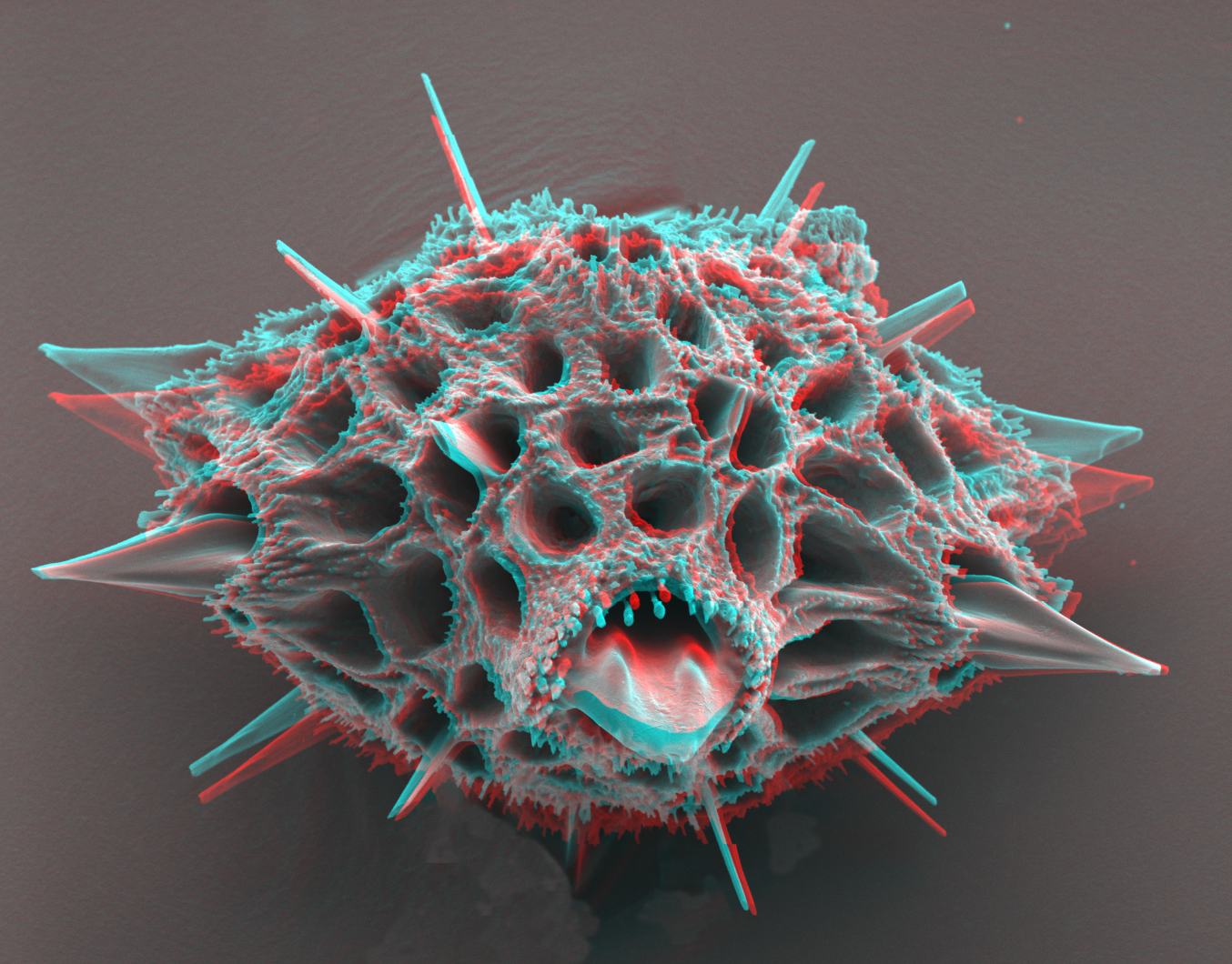
3-D Stereopairs
By recording two images of the same area at slightly different tilt angles one can obtain three dimensional images with the aid of stereo glasses. Stereopairs are useful for determining accurate lengths of specimens or features of an image at the micro level. It also helps resolve whether particular areas of an image are depressions or elevations.
-
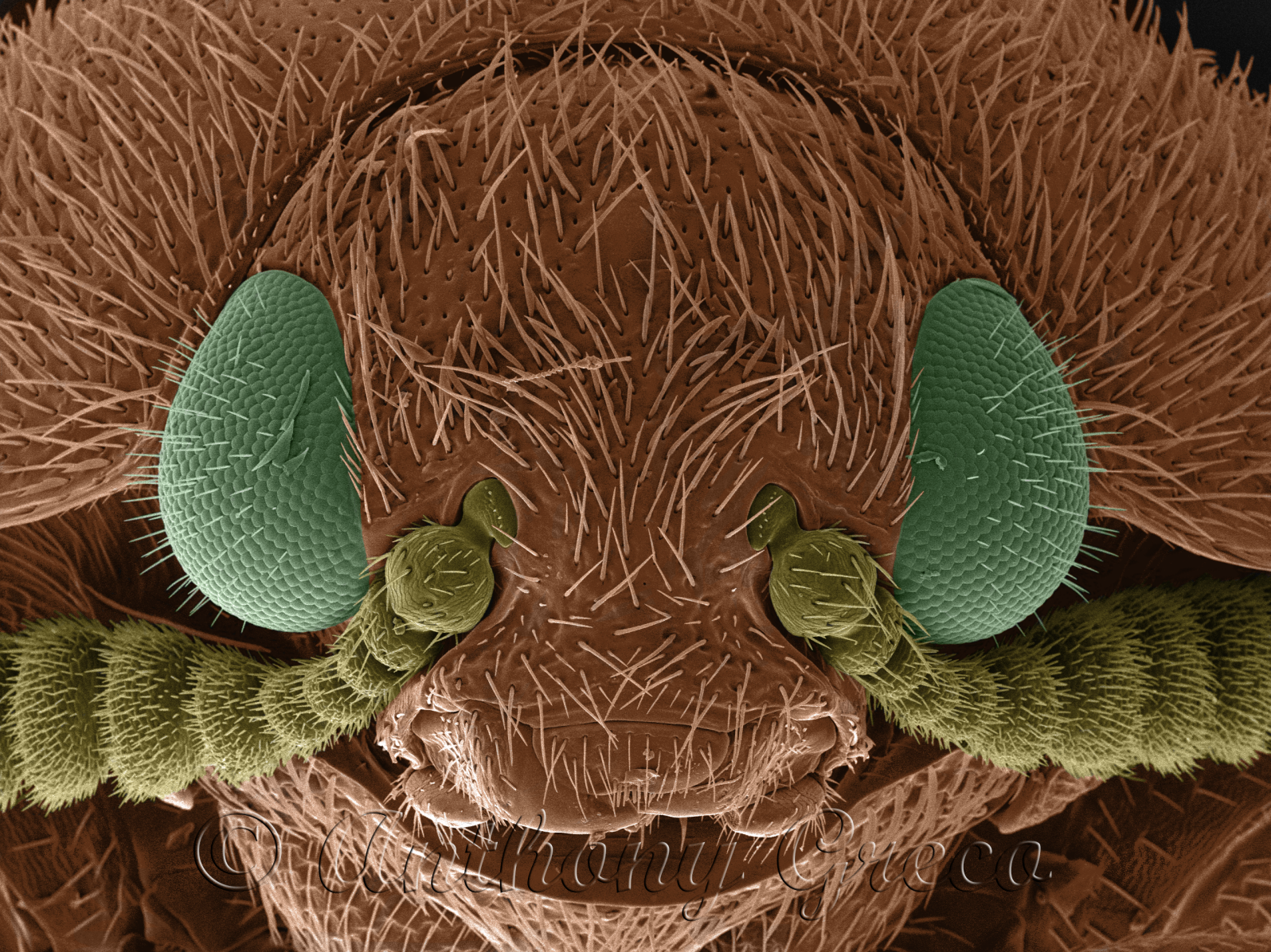
Non-Marine
The scanning and transmission electron microscopes are certainly not restricted to examining only marine samples. I’ve recorded images of common organisms, foods and other objects that are familiar to everyone.